
Back to Homepage
Some more interesting articles that you may like to read:
- The dangerous life gamble with the American footballer Jalen Hurts
- The iceberg lettuce scare in America 🇺🇸
Balancing the Benefits and Risks of Daily Aspirin: What You Need to Know
A question frequently debated in modern medicine is whether the daily risks of aspirin are outweighed by its protective cardiovascular benefits.
While popularized decades ago as a general preventative tool, contemporary medical guidelines offer a much more cautious perspective on how this antiplatelet drug should be used.
How Aspirin Works as a Blood Thinner
- Although aspirin was primarily utilized as a common painkiller during the 1950s, 60s, and 70s, it is now widely recognized for its ability to help prevent heart attacks and ischemic strokes.
- It functions as an antiplatelet agent, changing how blood cells interact.
In a typical scenario, platelets—the smallest cells in our blood—rush to the site of a cut or wound, clumping together to seal the injury and stop bleeding.
However, a similar process can occur inside our blood vessels. When arterial plaque ruptures, it signals the body to send platelets to the site, causing them to clump within the vessel.
This clotting can completely block blood flow through a critical path, such as the coronary artery, resulting in a heart attack.
Daily low-dose aspirin works by hindering this clumping mechanism, keeping the blood flowing more freely.
Changing Guidelines: Past vs. Present
- For generations, many individuals were told by their parents or older relatives to take a daily aspirin as a general precautionary measure against heart disease.
Today, medical consensus has shifted significantly. Because aspirin is known to increase the risk of internal bleeding, it is no longer universally recommended for primary prevention.
Doctors generally advise against a daily aspirin regimen for adults over the age of 60 who have no history of cardiovascular disease.
- Instead, a daily low dose—typically 75mg—is generally reserved for secondary prevention, meaning it is prescribed to individuals who have already experienced a stroke, heart attack, or other cardiac event.
Alternative Approaches to Heart Health
- For those looking to protect their heart without the bleeding risks associated with medication, research highlights the power of lifestyle changes.
Randomized clinical trials suggest that adopting a structured lifestyle approach may offer a safer and highly effective alternative to routine aspirin use for primary prevention.
A well-rounded heart health strategy typically incorporates multiple options:
- Adopting a Mediterranean Diet: Prioritizing nutritional frameworks rich in fish and extra virgin olive oil.
- Regular Physical Activity: Engaging in consistent, low-impact exercise such as daily walking.
Medically Supervised Therapy: Utilizing low-dose prescription aspirin under a doctor’s guidance only when clinically indicated.
Emergency Situations: The 300mg Protocol
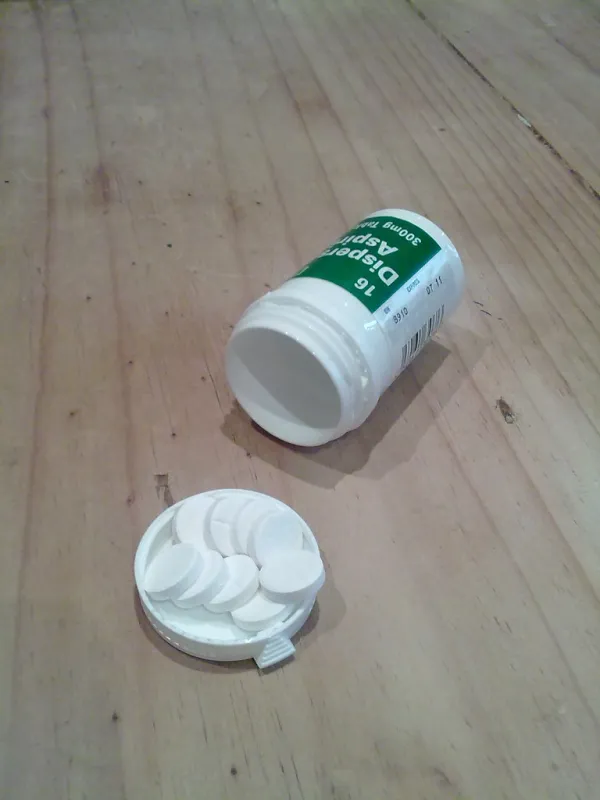
- While low-dose aspirin (75mg) is intended for daily long-term maintenance, a higher dose of 300mg serves a completely different, acute purpose.
During a suspected heart attack, emergency medical protocols in countries like the UK and Australia frequently involve administering a 300mg dose of aspirin to the patient on the way to the hospital.
- This emergency dose does not mean the medication is permanently “stronger” than the 75mg version; rather, chewing a 300mg tablet allows the drug to enter the bloodstream much faster.
In a life-or-death scenario, this rapid action helps minimize ongoing damage to the heart muscle.
However, this high dosage is strictly an emergency intervention and should never be consumed as a regular daily routine.
Some more interesting articles that you may like to read:
Leave a Reply